






Introduction
Caring for a dog goes far beyond providing food and shelter. Dogs rely on their owners for physical health, mental stimulation, and emotional support. Proper care ensures they remain happy, active, and well-adjusted, while also preventing behavioral issues and health problems.
Having access to the right supplies makes this responsibility much easier. From nutritious food and comfortable bedding to engaging toys and grooming tools, the right products allow you to meet all aspects of your dog’s well-being efficiently. To ensure your dog has everything they need, you can conveniently View all dog products in one place, saving time while giving your furry friend the best care possible.
Beyond physical needs, mental enrichment is equally important. Dogs that are mentally stimulated are less likely to develop destructive behaviors or experience boredom-related stress. Incorporating interactive toys, puzzle feeders, and daily play routines can keep your dog active, sharp, and emotionally balanced.
This guide will walk you through all the essential supplies and practical tips every dog owner should know. From feeding and grooming to playtime, outdoor gear, and health care, you’ll find everything you need to ensure your dog lives a long, healthy, and happy life.
1. Nutrition and Feeding Essentials
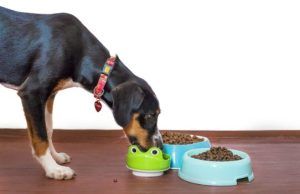

A balanced diet is the foundation of a dog’s health and vitality. Proper nutrition provides the energy your dog needs to stay active, supports growth in puppies, and helps maintain overall wellness in adult and senior dogs. Pairing healthy nutrition with regular grooming from a trusted Dog wash service ensures your pet not only feels good inside but also looks and smells great on the outside. Feeding your dog a diet tailored to their age, size, and activity level can prevent common health issues, including obesity, digestive problems, and nutrient deficiencies.
There are several types of Best Pet food availble to consider, each with its own benefits. Dry kibble is convenient, helps maintain dental health, and can be easily portioned for consistent feeding. Wet food is highly palatable and contains more moisture, which can be beneficial for dogs that need extra hydration. Some owners opt for raw or homemade diets, which allow for full control over ingredients but require careful planning to ensure all nutritional needs are met. Additionally, specialty diets, such as grain-free or hypoallergenic options, may be necessary for dogs with food sensitivities or specific health conditions.
Feeding tools also play an important role in your dog’s nutrition. Choosing sturdy, non-slip bowls made of stainless steel or ceramic can help maintain hygiene and prevent spills. Water dispensers and automatic feeders are excellent for busy households, ensuring your dog always has access to fresh water and meals even when you are away.
Consistency is key when it comes to feeding. Establishing a regular schedule helps regulate digestion, prevents overeating, and supports healthy weight management. Monitoring portion sizes according to your dog’s age, weight, and activity level is also essential. By combining the right diet with appropriate feeding tools and routines, you can help your dog maintain optimal health and enjoy a long, active life.
2. Comfortable Sleeping and Resting Areas
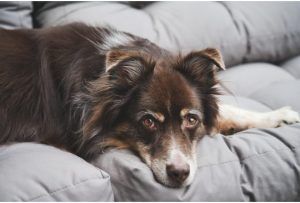

A comfortable sleeping area is essential for your dog’s overall health and well-being. Just like humans, dogs need a quiet and cozy space where they can rest and recharge. Providing a bed that suits your dog’s size and sleeping preferences can make a big difference in their comfort and quality of sleep. Some dogs prefer soft, plush beds that cradle their bodies, while others enjoy firmer surfaces or elevated beds that keep them off the floor.
Crates can also play an important role in your dog’s resting routine. When used properly, crates provide a safe and secure environment for training, travel, or simply a quiet retreat. They can help dogs feel protected and reduce anxiety, especially in busy households. Crates should always be sized appropriately, allowing your dog to stand, turn, and lie down comfortably, and they should never be used as a form of punishment.
Creating a cozy and peaceful space goes beyond choosing the right bed or crate. Position the sleeping area in a quiet corner of your home, away from high traffic and loud noises. Adding a soft blanket, pillow, or favorite toy can make the space inviting and encourage your dog to use it regularly. By providing a dedicated resting area tailored to your dog’s needs, you support not only their physical health but also their emotional well-being, helping them feel secure and content.
3. Toys and Mental Stimulation


Toys are more than just a source of fun for dogs; they are essential for their mental and emotional well-being. Providing a variety of toys helps prevent boredom, encourages physical activity, and keeps your dog’s mind engaged. Puzzle toys challenge dogs to figure out how to access treats, stimulating problem-solving skills and replicating natural hunting behaviors. Chew toys satisfy the instinct to gnaw, support dental health, and help release excess energy, while interactive toys, such as balls and tug ropes, encourage active play between you and your dog.
Regular play with toys not only prevents destructive behaviors that arise from boredom, such as chewing furniture or excessive barking, but also strengthens the bond between you and your pet. Mental enrichment through toys is especially important for high-energy or intelligent breeds that require more stimulation to stay content and focused.
To keep your dog consistently engaged, it’s helpful to rotate toys on a regular basis. Introducing new toys or temporarily removing old ones creates novelty, keeping your dog curious and excited. By thoughtfully incorporating toys and interactive play into your dog’s daily routine, you can ensure they stay both physically active and mentally sharp, leading to a happier, healthier life.
4. Grooming and Hygiene Supplies
Regular grooming is an essential part of caring for your dog, contributing to both their physical health and emotional well-being. Brushing and combing your dog’s coat helps remove loose hair, dirt, and debris, preventing matting and tangles, while also distributing natural oils that keep their fur healthy and shiny. Choosing the right brush or comb for your dog’s coat type ensures that grooming is effective and comfortable.
Shampoos and nail clippers are also important tools in maintaining hygiene. Bathing your dog with a gentle, dog-safe shampoo keeps their skin clean and can help prevent irritations or infections. Regular nail trimming prevents overgrown nails, which can cause discomfort, pain, or even joint issues over time.
Dental care is often overlooked but is equally vital. Using dog-specific toothbrushes, toothpaste, and dental chews can help prevent plaque buildup, gum disease, and bad breath, supporting overall health.
Beyond physical benefits, grooming provides valuable bonding time between you and your dog. Gentle brushing, nail care, and massage-like grooming sessions can calm your dog, reduce stress, and build trust. By maintaining a consistent grooming routine, you not only promote your dog’s health but also strengthen the emotional connection you share.
5. Walking and Outdoor Essentials
Daily walks and outdoor play are essential components of a dog’s physical and mental well-being. To ensure safety and comfort during these activities, choosing the right collars, harnesses, and leashes is crucial. Collars should fit snugly but not too tightly, and harnesses can provide better control and reduce strain on the neck, especially for small or active dogs. ID tags with up-to-date information are also essential in case your dog gets lost, ensuring a quick and safe return.
Outdoor safety gear, such as reflective vests and protective booties, can be particularly helpful during evening walks or in harsh weather conditions. Reflective gear increases visibility to drivers and cyclists, while booties protect your dog’s paws from hot pavement, snow, ice, or rough terrain.
When walking or playing outdoors, it’s important to follow some basic safety tips. Always keep your dog on a leash unless in a secure, designated off-leash area. Be mindful of other dogs, pedestrians, and traffic. Bring water to keep your dog hydrated during long walks, and avoid walking during extreme temperatures to prevent overheating or paw injuries. By providing the right equipment and following safe practices, you can make outdoor activities enjoyable, stimulating, and safe for your dog.
6. Health and Safety Essentials
Maintaining your dog’s health goes beyond regular feeding and exercise; preventive care is key to ensuring a long, happy life. Vitamins and supplements can play an important role in supporting joint health, boosting the immune system, and addressing specific dietary needs. Consulting with a veterinarian helps determine which supplements are appropriate for your dog’s age, breed, and health conditions.
Preventive medications, such as flea, tick, and worm treatments, are essential for protecting your dog from parasites that can cause discomfort and serious health problems. Regular administration of these treatments helps maintain your dog’s overall wellness and prevents infestations that could affect other pets in your household.
Being prepared for emergencies is another crucial aspect of dog care. A well-stocked first-aid kit should include items like bandages, antiseptic wipes, tweezers, and any prescribed medications. Familiarizing yourself with basic first-aid procedures for dogs can make a significant difference during unexpected injuries or health issues. By prioritizing health and safety essentials, you can protect your dog from common risks and respond effectively when emergencies arise, ensuring their well-being at all times.
7. Training and Behavioral Tips
Training is a fundamental part of responsible dog ownership. Obedience training helps your dog understand boundaries, follow commands, and respond appropriately in various situations, making daily life safer and more enjoyable for both of you. Positive reinforcement, such as treats, praise, or play, is one of the most effective methods. Rewarding desired behaviors encourages your dog to repeat them, while maintaining a calm and consistent approach helps prevent confusion and frustration.
Managing common behavioral challenges is another important aspect of training. Problems like excessive barking, chewing, digging, or separation anxiety can often be addressed with consistent routines, proper mental stimulation, and appropriate outlets for energy. Understanding your dog’s natural instincts and tailoring training methods to their personality can make a significant difference in addressing these issues effectively.
Several tools and supplies can make training easier and more engaging. Clickers, treat-dispensing toys, and interactive training aids help reinforce commands and maintain your dog’s interest. Leashes, harnesses, and training collars can also support controlled practice during walks or outdoor sessions. By combining proper training techniques with the right tools, you can foster good behavior, build a stronger bond, and create a well-adjusted, happy dog.
Conclusion
Providing proper care for your dog goes beyond love and attention it requires the right supplies, routines, and strategies to support their physical, mental, and emotional well-being. From nutrition and comfortable resting areas to toys, grooming tools, and health essentials, having the right products makes daily care easier and more effective.
Every dog is unique, so it’s important to explore different supplies, techniques, and enrichment activities to discover what works best for your pet. Observing your dog’s preferences and adjusting routines accordingly ensures they remain happy, engaged, and healthy.
By being well-prepared and proactive, dog owners can create an environment that fosters a long, fulfilling, and joyful life for their furry companions. The effort you invest in providing care and enrichment pays off in the form of a loyal, energetic, and contented dog.


