



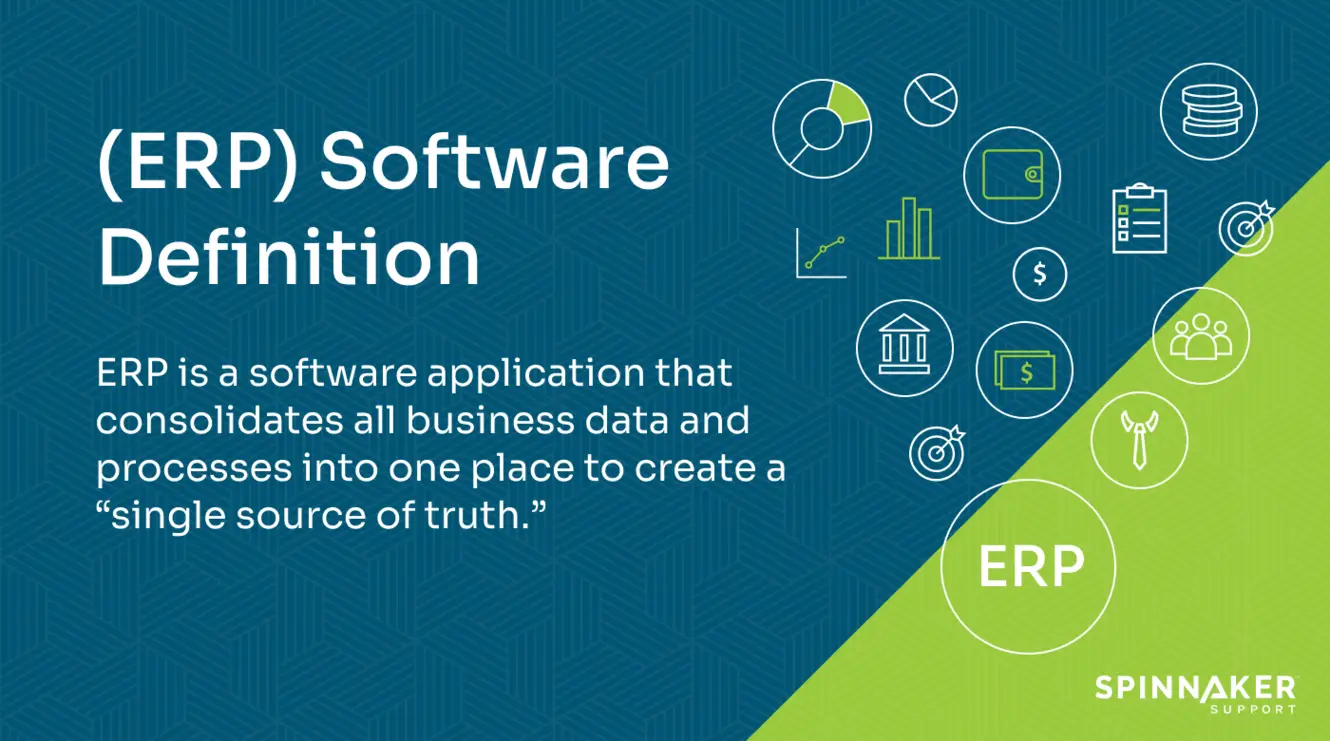
The secret to success every developing organization covets is the desire to better manage its processes. Given the many departments and the multitude of tasks, coordination is often challenging. These are some of the challenges that can be solved by ERP systems. What they do is link multiple business functions and provide a single view. This ensures efficiency and well-informed decisions.
Companies that seek to have their systems running nicely to work together in synergy will benefit from knowing how these systems function. Understanding the definition of enterprise resource planning helps businesses identify the right solutions for their needs. Let’s explore how these systems work and the value they bring. Below, we break down the core components and advantages of ERP systems.
What Are Enterprise Resource Planning Systems?
Enterprise Resource Planning systems integrate various business functions into one digital platform. These functions can include accounting, inventory, sales, human resources, and procurement. These functions can be connected so teams can share information and reduce redundancy in the work. Having a single database will enable all stakeholders in an organization to have access to updated information. It makes it easier for departments to work in a synchronized fashion.
Key Features of Enterprise Resource Planning Systems
There are a few unique features that make these systems special. It allows the automation of routine tasks to save time and reduce errors. The availability of real-time data ensures that your employees are always working with the right and most up-to-date information. It eliminates ambiguity or duplicate entries via centralized data storage. Organizations can tailor the system to their specific requirements with customizable modules. Scalability means whether or not the system will support small teams and large corporations alike as they expand.
How ERP Systems Streamline Business Operations
One of the most important benefits is that when you have a centralized database, it allows you to track activities across different departments. Sales teams, for instance, can view stock levels before entering orders. Finance departments can review transactional data with no latency. Instant dissemination of data ensures that no communication gap arises, and teams do not spend precious time correcting miscommunication. Automated reporting tools greatly decrease the time it takes to prepare financial statements or operational summaries.
Benefits for Decision-Making
Managers can thus identify trends faster since all data is in a single place. Higher accuracy in reports provides a better foundation for planning and forecasting across various areas of the business. It allows leaders to quickly pinpoint areas for growth and take action even sooner. That way, you can minimize spending and put energy into areas that’ll yield the most results. This results in decisions that are more confident, based on data.
Challenges Faced During Implementation
New systems bring with them new challenges. Staff may be hesitant to change their habits. Training takes time and resources. Data migration requires careful handling, as slight misplacement can lead to loss or error. According to Investopedia, ERP implementation requires significant planning and organizational commitment to succeed. However, given that not all features address specific organizational requirements, the need for tweaking will arise. Clear communication and planning help teams adjust quickly.
Customization and Integration
Every organization has unique needs. Customization enables the organizations to alter the modules to align with the defined processes. Existing tools can be integrated, such as email clients, customer databases, or invoicing systems. The system enables organizations to grow without limits—and you get to choose how! Experienced consultants or in-house experts can help ease the transition to these changes.
Security and Compliance
ERP systems contain sensitive data, including financial records and employee information. This data is protected from unauthorized access with security features. Threats to the system are kept at bay with regular updates. Compliance tools, on the other hand, enable organizations to ensure that their practices align with legal stipulations about data protection. Employees having the appropriate access can view the information pertinent to their respective roles.
Choosing the Right System
To pick the right one, we need to fully examine the systems. Decision-makers must think about how big the organization is currently, where it anticipates going, and the requirements for an effective enterprise. We narrow down the options based on the available features and support options. Having various departments participate in the selection process increases commitment to the decision. One can prevent many flaws by testing before full-scale implementation of the system.
Conclusion
Enterprise Resource Planning connects the dots of how a business is managed and processed. They serve as the single source of truth and facilitate seamless collaboration. Preparing your people and being flexible once you hit challenges during adoption will make the process smoother. It offers advantages such as increased efficiency, enhanced decision-making, and improved data security. This makes them valuable tools for organizations when it comes to staying organized and competitive, as the amount of data continues to grow.


