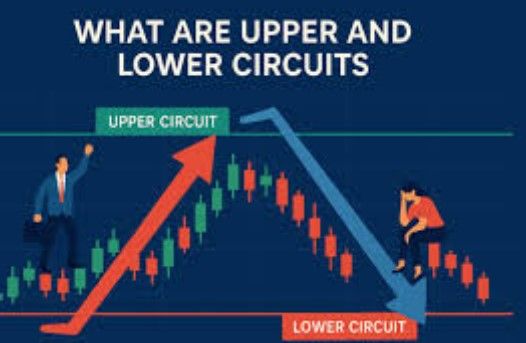
The Indian stock market is a volatile landscape where, in one minute, a stock that was part of the top gainers list, and in the next minute, it is not even tradable for the rest of the day. This is not a coincidence; this is a consciously designed market mechanism called the upper circuit.
By knowing the reason behind the stopping of trading after reaching the upper price limit, traders can make a better investment decision. In this blog, we will discuss the reasons behind the trading halt in stocks after reaching their upper price limit.
What is an upper circuit?
The highest price that a stock can reach during a single trading day is called the upper circuit. When the price hits the upper circuit, further price movement is restricted. Trading can still happen at the circuit price if sellers are available.
This mechanism is to curb extreme volatility and to provide protection to investors. When the stock price reaches this daily ceiling limit, no further trades can be executed above the upper circuit price.
Why does trading stop at the upper circuit?
Trading often appears to halt at the upper circuit due to a lack of sellers, even though the stock is still open for trades at the circuit price. Upper circuits were introduced to maintain orderly markets and also for the protection of the investors.
Once a stock price has reached its maximum permissible price for the day, it is a sign of imbalance where the buying demand is much greater than the selling interest. If trading were allowed to continue above the upper circuit limit, unchecked with the freedom to trade, prices would rise irrationally, driving speculation or panic buying.
Indian stock exchanges, as per SEBI regulations, have circuit limits as a volatility control mechanism when stock prices surge rapidly. Orders cannot be placed above the upper circuit price for that trading session. This pause is for several reasons, such as:
- Eliminates price manipulation: Sudden and sharp increases in prices are sometimes caused by rumours, low liquidity, or coordinated trading. Circuit limits help to limit this artificial inflation of prices in top gainers.
- Enables information dissemination: A pause will allow investors the time to evaluate whether the price change is backed by genuine news or fundamentals, as opposed to making an emotional response.
- Protects retail investors: Retail investors tend to chase momentum stocks that are listed among upper circuit stocks without doing thorough analysis and understanding the risks involved. Trading limits minimise the impulsive buying at unsustainable prices.
- Ensures fair price discovery: By temporarily stopping trades, exchanges ensure that the price discovery resumes the next trading session with revised reference prices and fresh order flow in the upper circuit stocks list.
Although the upper circuit is being reached, the market participants can make the buy order at that circuit price, but the trades will only be executed if the sellers are willing to sell at that level. In case no sellers appear, the stock remains locked, which practically stops trading on that day. This is one of the reasons that most of the stocks appear to be frozen once they have reached the upper circuit.
Final thoughts
When the stock stops trading after reaching the upper limit of the price, it’s not an error; it’s an inbuilt mechanism for security purposes in the Indian stock market, which is responsible for protecting investments and maintaining orderly price discovery. The mechanism sheds light on the interplay between the extreme demand psychology and the regulatory controls to control the market behaviour.
To active market participants, the knowledge of circuit regulations and monitoring market data, such as the list of top gainers, can provide a better understanding of the potential breakout or reversal and help traders better control turbulent price action with the confidence to do so.