



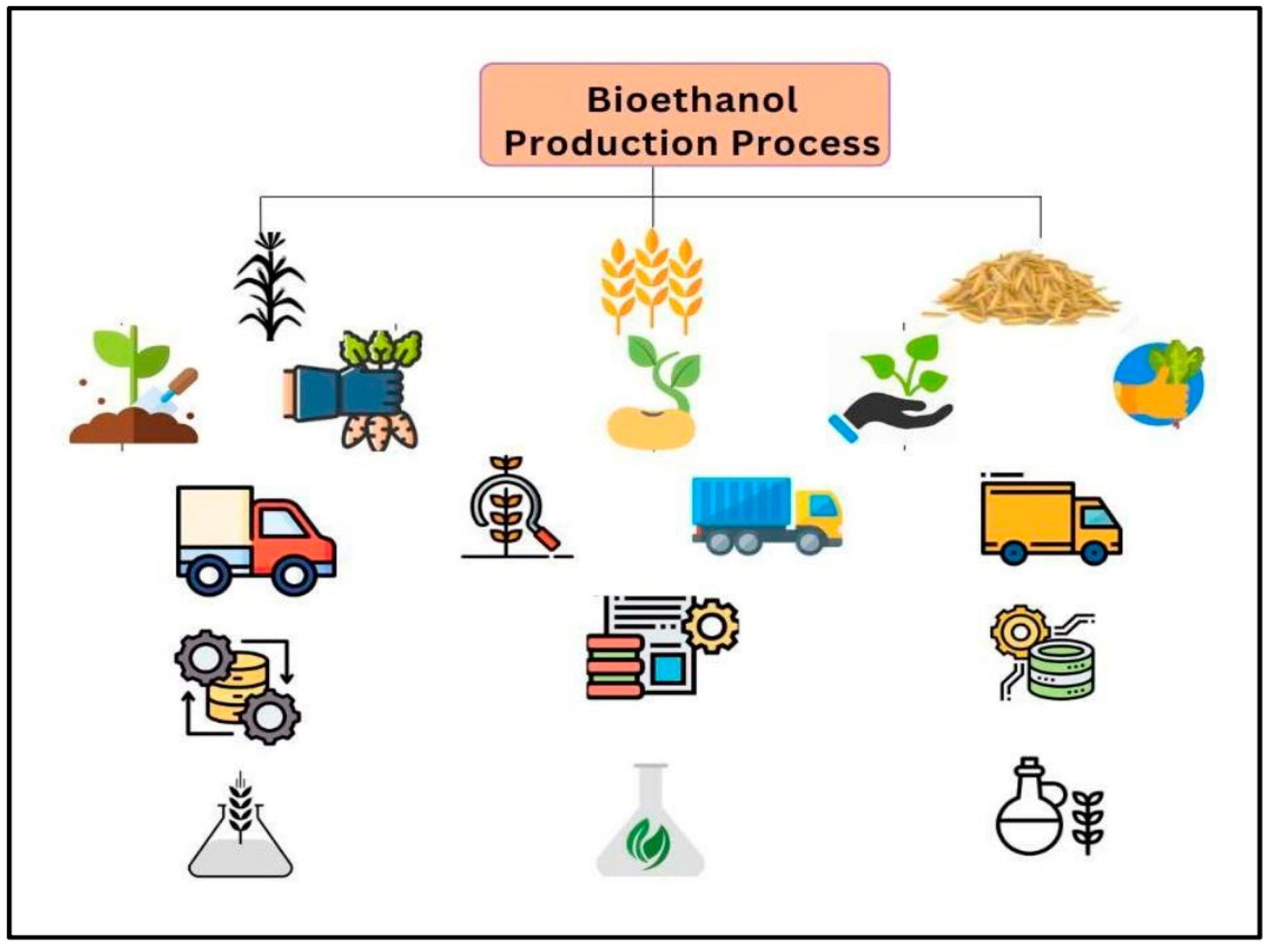
Ethanol stocks in India have attracted a lot of attention in the last few years because of the aggressive campaign by the government to promote the use of ethanol in petrol to minimise fossil fuel consumption and to reduce the emission of greenhouse gases. Agriculture is a very important aspect in the demand for ethanol because the production of ethanol is dependent on crops like sugarcane, maize, and excess grains.
This creates a unique investment dynamic in which agricultural cycles play a significant role in determining the performance of ethanol stocks. In this blog, we will explore the sensitivity of ethanol stocks to agricultural cycles.
Ethanol’s strong agricultural link
Ethanol is produced using agricultural feedstocks like sugarcane juice, molasses, maize, and broken rice. In India, over 80% of ethanol is produced through sugarcane derivatives, and the rest is grain-based production.
This linkage implies that manufacturers of ethanol are heavily reliant on agricultural crop availability and their prices. Supportive government policy plays an important role in the ethanol stock performance, such as that of the EID Parry share price, as it stabilises procurement and pricing during the agricultural fluctuations.
The Ethanol Blended Petrol (EBP) Programme mandated annual blending targets at fixed prices by providing minimum support prices (MSP) to feedstock farmers and establishing ethanol procurement rates to OMCs. These policies provide revenue transparency to ethanol producers.
How agricultural cycles influence ethanol stocks?
The agricultural cycles influence the ethanol stocks in the following ways:
Dependency on Crop Yields
Monsoon rains influence the area sown and the yield of major feedstock crops of ethanol, such as sugarcane and maize. The increased harvest and availability of raw materials with a good monsoon allow ethanol producers to operate at maximum capacity, improving their margins and the profitability of companies linked to ethanol production.
On the other hand, drought or unpredictable weather decreases production, causing a shortage of raw materials, an increase in input costs, and decreased ethanol production, which translates to decreased revenues and a negative impact on ethanol stocks.
Price volatility of feedstocks
Market prices of agricultural commodities are volatile in nature. When sugarcane or maize prices increase drastically as a result of low supply, margin pressure is exerted on ethanol producers, resulting in a decrease in their stock price.
Government procurement policies often fix ethanol prices for blending that might not keep pace with the cost of the feedstock, squeezing profit margins and resulting in a drop in stock prices. This price lag effect increases the sensitivity of ethanol stocks to agricultural commodity cycles.
Seasonal nature of ethanol production
Crops tend to grow seasonally according to the harvest cycles. The peak of production of sugarcane-based ethanol is around November-March after the crushing season. During periods between these two months, ethanol plants work at reduced capacity or use other feedstock for ethanol production, which influences quarterly earnings and causes share price volatility.
The shift to feedstock diversification
India is actively promoting the diversification of feedstocks to limit the risk exposure due to reliance on sugarcane. Ethanol produced has increased exponentially by 15% to approximately 545.05 crore litres of ethanol blended as of August 31, 2024. Projects using damaged rice and other grains are scaling up to boost ethanol production for sources other than sugarcane.
This diversification reduces supply risk and introduces new crops like maize to ethanol production. Therefore, ethanol stocks that have diversified feedstock flexibility often show more resilience and reduced cycle volatility.
Conclusion
Ethanol is commonly considered a component of the clean energy revolution in India, yet, behind the curtain, it heavily relies on agriculture. The agricultural cycle is connected to every phase of ethanol production: crop sowing, rainfall, harvest, and policy pricing.
To the investors, it is essential to understand the nature of these agricultural linkages in order to make investments at the right time and to determine the risks involved in listed companies that deal with ethanol.


