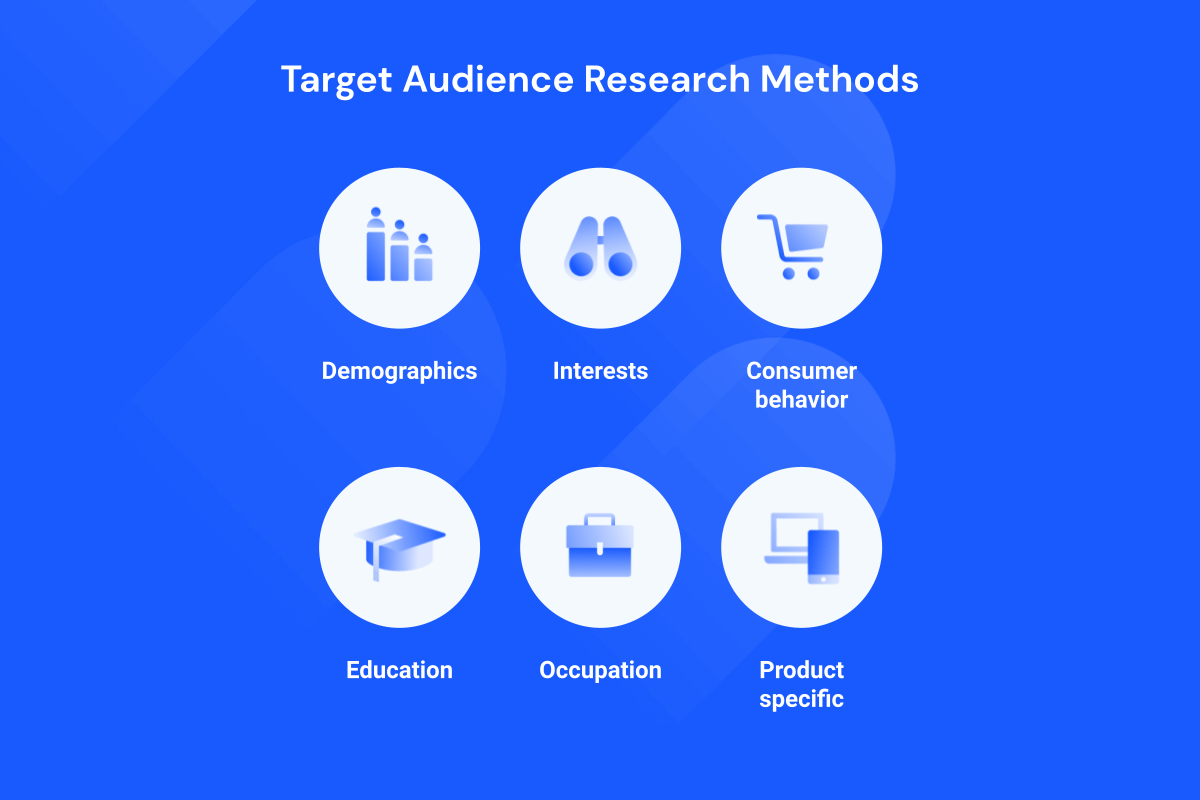
Target audience assessment is the process of studying potential buyers to identify their characteristics, needs, and preferences. It allows you to determine who your ideal consumer is so that you can focus your marketing efforts on attracting and retaining this particular group of people.
A competent analysis of the target audience is important both for attracting new users and for optimising sales among the existing customer base. It helps to create more personalised offers, increase conversion rates and average order value. You can learn more about the goals, stages and methods of target audience analysis by reading our article. We will tell you how to analyse potential consumers effectively.
Why is it necessary to analyse the target audience
Regular marketing analysis of the target audience is necessary for businesses to solve a number of tasks:
- Identifying key characteristics of buyers – socio-demographic, geographical, behavioural, etc. This is basic information for making any marketing decisions.
- Segmenting the audience, i.e. dividing it into groups based on similar characteristics. Each segment may have its own pain points, triggers, and behaviour patterns. Understanding this allows you to make targeted offers.
- Personalisation of communication at all stages of the sales funnel. Knowing the characteristics of your target audience, you will be able to address them in their language, make relevant offers, and choose the right content and channels of interaction.
- Identification of insights and hidden needs of buyers, which can become the basis for new products, services, or approaches to promotion.
Interesting offers for thrill seekers – Casino Click login
It is important to understand that even for universal products that, in theory, can be useful to everyone, marketing analysis of the target audience is extremely important. It influences the choice of points of contact with the brand, pricing, positioning, visual and verbal communication.
How target audience analysis helps business
Let’s take a look at how target audience research can be useful for business. It helps answer a number of key questions:
- What characteristics should a product have in order to be as popular as possible with the target audience? This applies to both functional properties and design, packaging, and name.
- What is the optimal price for a product or service, taking into account consumers’ purchasing power and price expectations?
- Do you have enough points of contact with potential consumers? Perhaps you need to enter new markets or open additional sales channels?
- How can you best communicate with your target audience – what information and advertising materials should you use, and what should you focus on?
- What promises and guarantees are most valuable to your potential audience? How can you present your product in a way that encourages people to buy it?
The answers to these and many other questions lie in the characteristics, needs, fears, and expectations of your target audience. The better you understand them, the more informed and effective your marketing decisions will be.
Methods for analysing your target audience
There are many methods for identifying your target audience that can be used to collect and analyse information about potential users. Here are the main ones:
- Questionnaires and surveys are the simplest and most accessible method for obtaining feedback directly from consumers. They can be conducted on your website, on social media, by email or even by phone.
- Checking web analytics data – how users behave on the website, what queries they use to find it, what pages they view, what buttons they click, etc. This is a good way to understand what people are looking for and what really interests them.
- Social listening – monitoring mentions of your brand, product, or niche on social media, forums, blogs, and communities. This allows you to track the general tone of the discussion, understand who is talking about you and why, and find insights and areas for growth.
- Studying your customer base and CRM data involves studying information about real buyers, their characteristics, and their history of interaction with the company. This will help you find common features and form a generalised portrait of the buyer.