






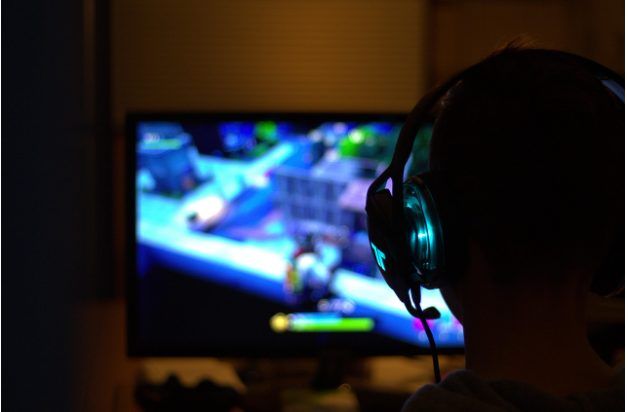
Gaming today covers a wide range of experiences that appeal to different tastes and moods. Some players prefer long role-playing sagas with detailed choices and character growth. Others spend time on shooters, relaxed creative simulators, or compact puzzle titles that fit short sessions. Wider internet access and better devices in India have made these options easier to reach, encouraging experimentation. Developers respond by trying fresh story approaches and gameplay mechanics that keep attention over time. The result is a lively entertainment scene where players can move between styles depending on how they want to spend their free time.
Strategy Gaming, Legal Context, and Offshore Options
Players who enjoy competitive or analytical formats explore tactical shooters, card-driven systems, and complex turn-based designs. At the same time, recent legal changes have affected how real money play works in India. The Promotion and Regulation of the Online Gaming Bill in 2025 restricts offering and operating online money games from within India, which has altered access to some poker and casino services. That said, Indian users can still legally use international platforms that are licensed by well-respected global gambling bodies. Those interested in exploring these sites to play games like online poker find it helpful to check out Cardplayer for clear explanations, guidance, and a breakdown of the top sites to choose from. Many of these platforms are known for their forward-thinking design, diverse game options, attractive bonuses, and modern functionality. For those who choose to play on these sites, this combination of regulation and offshore availability is reshaping how players consider their choices.
How Blended Genres Keep Things Interesting
A clear sign of novelty is how genres are being mixed to make games that feel original. You can find puzzle mechanics inside story-driven games and role-playing elements added to fast-paced action. Indie teams often experiment first, favouring small budgets but unusual ideas that larger studios tend to avoid. Those projects tend to emphasise mood, character, and handcrafted visuals, which many players find appealing. This appetite for distinct experiences has led to titles that surprise players with unexpected combinations. As a result, people in India now expect unusual mechanics and personal stories alongside the larger blockbusters.
iGaming Remains a Notable Part of the Scene
The iGaming segment continues to draw attention as one specialised corner of digital entertainment. Even though most players think of broader genres first, services that involve real money have technical and regulatory layers that matter. For Indian users, those layers often mean using platforms that are regulated abroad and that follow international compliance standards. Operators outside the country have offered long-running licences and systems that provide audited randomness and clear terms. Because the new law targets locally based operators, many international platforms can still offer their services to Indian customers under overseas licences.
RPGs Growing Through Story and Player Choice
Roleplaying titles continue to attract those who enjoy narrative and character-driven progression. Recent releases put emphasis on decisions that change relationships and the world over time. Many Indian gamers appreciate titles that foreground cultural references and everyday themes alongside larger plots. Smaller indie studios frequently produce RPGs that prioritise intimate storytelling over high-end visual spectacle, and those choices often produce memorable experiences you can’t find anywhere else in the industry. The format suits players who want to stay in a world for long stretches, discover optional quests, and feel that their choices have weight in the game’s outcome.
Action and Adventure Benefiting from Technical Gains
We’re seeing adventure and action games become more responsive and tactical. This is because of the improvements in environmental interactivity, enemy behaviour, and animation. From these technological improvements, developers now have the power to design encounters that direct combat, allow stealth, or creative problem-solving. As a result, players can decide how to approach a mission, which offers flexibility and freedom within a set challenge. In short, better tooling and a wider pool of ideas mean action games can be more varied in the way they let players engage.
Indie Games Driving Unusual Ideas
Indie developers keep novelty alive by taking risks that larger companies usually avoid. Small teams can test minimalist design, oddball mechanics, or emotional themes without needing blockbuster sales to succeed. Many of these projects become conversation pieces precisely because they do not follow familiar formulas. Online marketplaces and lower-cost tools have made it easier to publish and share such games with global audiences. In India, a growing community supports these creators, buying and recommending titles that feel personal. That support allows independent teams to continue trying fresh directions and to find niche audiences around the world.
Social and Cooperative Play Moving Centre Stage
Playing with friends has become a normal mode of gaming, not an occasional activity. People use co-operative missions, shared builds, and persistent spaces to spend time together even when they are far apart. Titles that make communication and teamwork smooth tend to hold players for longer periods because they create habits and friendships. Indian players often enjoy these social features because many groups like to play regularly at set times, form teams, and work towards common goals. As a result, designers now build mechanics that reward collaboration and produce long-running social activity inside games.
Technology That Will Shape Gaming Moving into 2026
In 2026, we can expect several technologies to influence the way we game. One of the most exciting ways is with virtual reality. This is because VR technology is becoming far more flexible while being less expensive, opening up doors for longer sessions and richer exploration-based titles. AI-driven systems in video games are also being used to build smarter characters, adaptive difficulty, and smoother animation, all reacting to how someone plays. We can also see cloud gaming continuing to grow as 2026 approaches. One of the reasons for this is that cloud gaming allows people with modest hardware to try high-quality releases. These developments point toward more flexible and accessible ways to experience games.
Conclusion
Novelty continues to define how people approach gaming in India, whether they are exploring long-form RPGs, odd indie experiments, tactical competitions, or iGaming options offered under foreign licences. Developers meet player interest by trying new mechanics and by paying attention to how rules and technology affect play. The coming years will likely bring more cross-genre work and fresh story-based projects, and continued interest in cooperative systems. For players, this means more ways to find something that fits their taste, and for creators, it offers ongoing room to try different ideas and see what resonates.


