



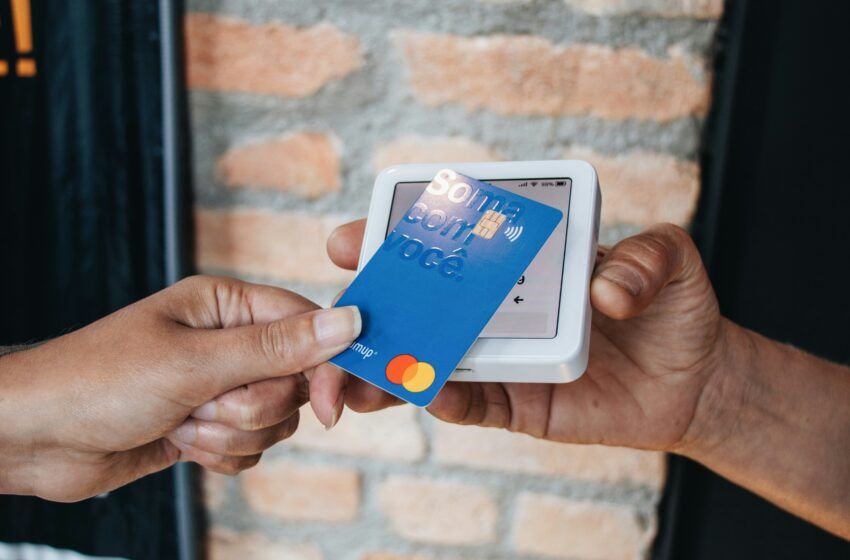
In today’s world, technology is at the center of almost everything, including business. How people and businesses exchange goods and services has been revolutionized by the innovation of digital payment solutions. The days of traditional payment systems like cash and checks are slowly fading away as new digital payment options like mobile wallets, cryptocurrencies, buy now pay later (BNPL), and contactless payments take over.
With over half of the total population, over 4.3 billion people, owning a smartphone, and internet penetration increasing by the day, it’s safe to say that the future of global business is in e-commerce and digital payments. Whether you are a small business or a multinational company, shifting from traditional to digital payments is inevitable—if you want to remain competitive.
Digital payment solutions continue to reshape global businesses in the following ways.
Expansion to New Markets
Thanks to digital payments, businesses aren’t limited to their specific regions. E-commerce platforms have broken geographical barriers that existed before, and digital payment solutions are the driving force behind them.
Logistics and currency challenges that would have otherwise been experienced by traditional payment systems have been overcome. Businesses can now offer their services to new markets miles away and worry less about payments. Thus, their customer base and revenue potential increase. Take Netflix, for example, you can subscribe to their services anywhere in the world and easily pay for your subscription using a credit/debit card online.
Improved Customer Experience
Today’s customer experience is mostly driven by one thing, convenience. Amazon brings your shopping to your doorstep, and Uber picks you at your location and takes you to your destination—convenience has made these two companies worth billions.
When it comes to transactions, options such as quick checkouts, buy now pay later and mobile wallets have made payments seamless. An optimized payment system can easily be the difference between a paid cart and an unpaid one. As the last step of any checkout process, having an efficient digital payment solution will make it easy for customers to complete purchases.
Flexible Payments
Part of customer satisfaction also means that people pay using the payment system they prefer. With digital payments, you can choose e-wallets like PayPal, Apple Pay, Google Pay, and Ecopayz, peer-to-peer payment apps like Venmo and Cash App, cryptos like Bitcoin and Ethereum, or BNPL solutions like AfterPay and Klarna.
A good case where this applies is in casino gaming. If you are a fan of casino wagering, you’ll realize that most sites support several payment options. You can choose to play on PayPal Casinos or even crypto casinos, all you have to do is choose the method you prefer.
In 2019, during the COVID-19 pandemic, many businesses had to adjust their operations and include digital payments to keep people safe. It was during this time that contactless payment options became popular, and transactions were completed through a simple tap-and-go.
Secure Transactions
One of the major challenges traditional payment systems like cash and checks face is security. They provide many avenues for theft and it can be hard to track transactions. Digital payments on the other hand come with security features like multi-factor authentication, encryption, biometrics, and tokenization which reduce the risk of fraud.
Businesses can track transactions in real-time, detect suspicious activities swiftly, and easily follow the paper trail in case of fraud. By employing these payment solutions, businesses build trust and confidence with their customers.
Provides Data Insights
Lastly, digital payments go beyond streamlining your transactions, they can play a key role in your next marketing campaign. Online payments can help strategize your business better by providing insights about customers’ purchasing behaviors and sales trends.
With the vast and valuable data that digital payments provide, businesses can analyze this data and optimize their inventory, enhance product development, and develop marketing strategies that are more personalized.


