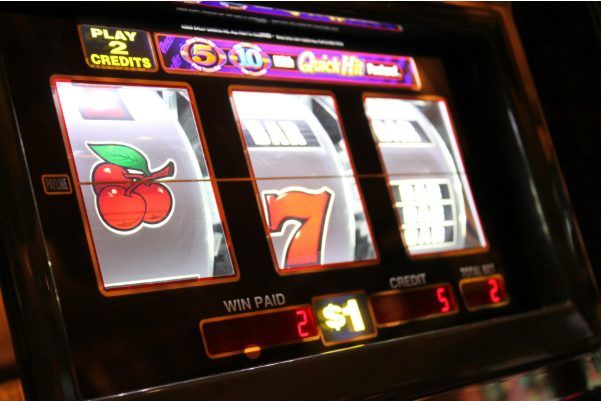
In the digital age, the boundaries between entertainment, psychology, and real-world behavior are becoming increasingly blurred. Nowhere is this more evident than in online casino environments, where game mechanics are carefully designed to reflect how people naturally make decisions under uncertainty. Platforms like the CroreWin casino site demonstrate how risk, reward, and strategy can be transformed into interactive experiences that feel both engaging and familiar. While these games are built for entertainment, the choices players make within them often mirror real-life decision-making patterns in surprising ways.
At first glance, casino games might seem detached from everyday life. However, the deeper you look, the more similarities you find. Whether it’s deciding when to take a risk, when to play it safe, or how to respond to uncertainty, the same cognitive processes are at work in both gaming and real-world scenarios. This is where the concept of gamification of risk comes into play—using structured systems to simulate decision-making environments that reflect reality.
Understanding Risk in Everyday Life
Risk is an unavoidable part of life. From financial investments to career choices, people constantly weigh potential outcomes against possible losses. These decisions are rarely made with complete information, which introduces uncertainty and forces individuals to rely on judgment, intuition, and experience.
Online casino games replicate this dynamic in a controlled environment. Players are presented with choices that involve varying levels of risk and reward. Each decision carries consequences, encouraging players to think critically about their actions.
For example, deciding whether to increase a bet in a casino game is not unlike choosing to invest more money in a business venture. Both decisions involve assessing potential gains, considering risks, and managing uncertainty.
The Role of Immediate Feedback
One of the most powerful aspects of online casino mechanics is immediate feedback. In real life, the results of decisions can take days, months, or even years to become clear. In contrast, casino games provide instant outcomes.
This rapid feedback loop accelerates learning. Players quickly understand the consequences of their actions, allowing them to adjust their strategies in real time. Over time, this creates a sense of progression and improvement, even in environments driven by chance.
Immediate feedback also reinforces behavior. Wins create positive reinforcement, while losses encourage reevaluation. This cycle mirrors real-world learning processes, where feedback plays a crucial role in shaping future decisions.
Risk-Reward Trade-Offs
At the heart of both casino games and real-life decisions is the concept of risk-reward trade-offs. Every choice involves balancing potential benefits against possible downsides.
Online casino games are designed to make this balance visible and engaging. Players can choose low-risk options with smaller rewards or high-risk options with larger potential payouts. This dynamic reflects real-world scenarios such as:
- Investing in stable versus volatile assets
- Choosing a secure job versus a high-risk entrepreneurial venture
- Making conservative versus aggressive financial decisions
By engaging with these mechanics, players practice evaluating trade-offs in a simplified environment.
Emotional Influence on Decisions
Human decision-making is not purely rational. Emotions play a significant role, often influencing choices in ways that defy logic. Excitement, fear, and frustration can all impact how risks are perceived and managed.
Online casino environments amplify these emotions through design elements such as sound effects, visual cues, and pacing. A near win can create excitement, while a loss can trigger the desire to recover. These emotional responses closely resemble those experienced in real-life high-stakes situations.
Understanding how emotions affect decisions is an important step toward making better choices, both in games and in everyday life.
The Illusion of Control
Another key element shared between casino mechanics and real-life decision-making is the illusion of control. People often believe they have more influence over outcomes than they actually do.
In online casino games, players make choices that feel meaningful, even when outcomes are largely determined by chance. This perception of control keeps players engaged and invested in the experience.
Similarly, in real life, individuals may overestimate their ability to predict or influence uncertain outcomes. Recognizing this tendency can help people make more informed decisions and avoid unnecessary risks.
Learning Through Simulation
One of the advantages of gamified environments is their ability to simulate real-world scenarios without real-world consequences. Players can experiment with different strategies, take risks, and learn from mistakes in a safe setting.
This process of learning through simulation is valuable because it builds intuition and confidence. Over time, players develop a better understanding of risk, probability, and decision-making.
While the stakes in a game are different from those in real life, the underlying principles remain the same.
Patterns and Behavioral Tendencies
Online casino mechanics also highlight common behavioral patterns. Players may develop habits such as chasing losses, becoming overly cautious after a win, or taking greater risks during winning streaks.
These behaviors are not unique to gaming—they are observed in real-world decision-making as well. For example:
- Investors may hold onto losing assets in the hope of recovery
- Individuals may take bigger risks after experiencing success
- People may avoid opportunities due to fear of loss
By recognizing these patterns in a gaming context, individuals can become more aware of their tendencies and make more balanced decisions.
Strategic Thinking and Adaptability
Despite the role of chance, many casino games encourage strategic thinking. Players must adapt to changing conditions, manage resources, and make decisions under pressure.
This adaptability is a valuable skill in real life. Whether navigating a career path, managing finances, or solving complex problems, the ability to adjust strategies based on new information is essential.
Gamified risk environments provide a platform for practicing these skills in an engaging and interactive way.
The Balance Between Logic and Intuition
Effective decision-making requires a balance between logic and intuition. Data and analysis provide a foundation, but intuition often guides choices in uncertain situations.
Online casino games reflect this balance. Players may rely on probabilities and patterns, but they also make instinctive decisions based on experience and perception.
This interplay between logic and intuition is a fundamental aspect of human behavior, both in games and in real life.
Why Gamification Matters
The gamification of risk is more than just a design trend—it’s a reflection of how people naturally learn and make decisions. By turning complex concepts into interactive experiences, gamified systems make it easier to understand and engage with risk.
Platforms like the CroreWin casino site illustrate how these principles can be applied effectively. They create environments where players can explore decision-making in a structured yet dynamic way.
This approach has implications beyond gaming. It can be used in education, training, and even professional development to teach valuable skills related to risk and decision-making.
Final Thoughts
Online casino mechanics offer more than entertainment—they provide insight into how people think, feel, and act when faced with uncertainty. Through immediate feedback, risk-reward trade-offs, and emotional engagement, these games mirror real-life decision-making in powerful ways.
By understanding the gamification of risk, players can gain a deeper awareness of their own behavior. This awareness can lead to better choices, both in gaming environments and in everyday life.
Ultimately, the connection between casino mechanics and real-world decision-making highlights a simple truth: whether in a game or in life, every choice involves risk—and learning how to navigate that risk is a skill worth developing.