Introduction
In the vibrant world of Indian number games, Dp Boss holds a special place. It is not just a pastime but a cultural phenomenon that has survived decades of change. From its humble beginnings in the 1960s to its digital transformation today, Dp Boss continues to attract enthusiasts who find joy in numbers, chance, and community.
Origins of Matka
The story of Matka began in Mumbai when people started betting on cotton prices arriving from the New York Cotton Exchange. Over time, this practice evolved into a numbers-based guessing game. By the late 1960s, Matka had become a household name, and different variations emerged. Among them, Dp Boss gained popularity because of its structured draws—Milan Day and Milan Night—which gave players two opportunities daily to test their luck.
This evolution was not just about entertainment; it reflected the social fabric of the time. Matka became a way for communities to gather, discuss, and share excitement. The Milan variation, with its predictable schedule, quickly became a favorite among working-class participants who could plan their day around the draws.
How Dp Boss Works
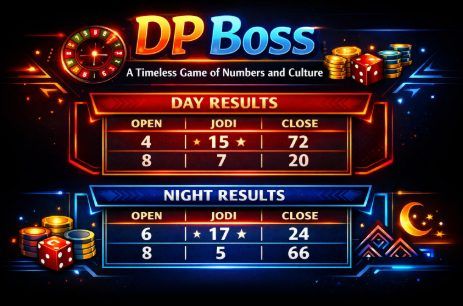
At its core, Dp Boss is simple yet thrilling. Players select numbers that form combinations known as Jodi or Panna. At fixed times, results are declared, and charts are published showing the winning digits. Participants compare their guesses with the official results, and those who match celebrate their success.
The excitement lies in unpredictability. Some players rely purely on intuition, while others analyze past charts to identify patterns. This analytical approach has created a subculture of “guessing experts” who share predictions online, adding another dimension to the game. For many, this guessing culture is as engaging as the game itself, sparking debates and discussions across forums and social groups.
The Appeal of Dp Boss
Why does Satta Matka live remain so popular even after decades?
- Accessibility: With the rise of online platforms, checking results has become effortless.
- Community Spirit: Forums and groups allow players to exchange strategies and experiences.
- Thrill Factor: The suspense of waiting for the draw keeps participants engaged.
- Cultural Legacy: For many families, Dp Boss is a tradition passed down through generations.
Beyond these factors, Dp Boss also appeals because it offers a sense of continuity. In a fast-changing world, the familiar rhythm of Milan Day and Milan Night draws provides stability and nostalgia.
Responsible Play
While Dp Boss is entertaining, it is important to approach it responsibly. Like any number-based game, it involves risk. Enthusiasts should treat it as recreation rather than a source of income. Responsible play means setting limits, avoiding overinvestment, and focusing on the cultural and social aspects of the game.
Many seasoned players emphasize moderation, reminding newcomers that the joy of Dp Boss lies in participation, not in chasing big wins. This perspective helps preserve the game’s cultural value while minimizing potential harm.
Digital Transformation
The digital age has reshaped Dp Boss. Mobile apps and websites now provide real-time updates, historical records, and even prediction tools. This transparency has made the game more accessible to younger audiences while preserving its traditional charm. The ability to check results instantly has also expanded its reach beyond India, connecting global enthusiasts to a uniquely Indian pastime.
Interestingly, the digital shift has also created new communities. Online groups replicate the neighborhood discussions of earlier decades, proving that while the medium has changed, the spirit of Dp Boss remains the same.
Milan Day and Milan Night
One of the defining features of Dp Boss is its dual draws. Milan Day results are declared in the afternoon, while Satta results arrive later in the evening. This structure ensures that players have multiple opportunities to participate, keeping the excitement alive throughout the day.
For many, these draws are more than just numbers—they are daily rituals. Families and friends often gather to check results together, turning the game into a shared experience.
The Social Side of the Game
Dp Boss is not just about numbers—it is about people. Communities have formed around the game, both offline and online. In local neighborhoods, discussions about strategies and results are common. Online, forums and social media groups provide spaces for enthusiasts to share tips, predictions, and experiences. This sense of belonging is one of the reasons Dp Boss has endured for so long.
The game also fosters creativity. Players develop unique methods of prediction, blending mathematics, intuition, and tradition. These methods are shared, debated, and refined, creating a dynamic culture that extends beyond the draws themselves.
Challenges and Criticism
Like any game of chance, Dp Boss has faced criticism. Concerns about addiction and financial loss are valid, and players must remain cautious. Authorities have also taken steps to regulate such games. Yet, despite these challenges, Dp Boss continues to thrive because it has adapted to changing times while retaining its cultural essence.
Critics argue that the game can encourage unhealthy habits, but supporters counter that with responsible play, Dp Boss can remain a harmless form of entertainment. The ongoing dialogue between these perspectives highlights the game’s complex role in society.
Conclusion
Dp Boss is more than just a numbers game—it is a blend of tradition, chance, and community. From its origins in Mumbai to its digital presence today, it has remained a fascinating part of Indian culture. Whether you are a casual observer or an active participant, Dp Boss offers a glimpse into how games can connect people across generations.
As it continues to evolve, Dp Boss stands as a testament to the enduring appeal of entertainment rooted in both heritage and modernity. Its story reminds us that even in a digital age, traditions can survive, adapt, and thrive.